
Three Tips for Hiring Quality Freelancers
Freelancers can make or break your momentum. Here's how to choose wisely.

As a one-person team (or with a very small team), you will find yourself wearing almost every hat necessary for your company to stay operational. However, there will be times when there are tasks that need to be done that will require you to bring in some outside help, often in the form of a freelancer. This person can be hired for tasks such as building your website, designing graphics, or handling responsibilities that fall outside your expertise or skill set.
Many founders have or have heard of freelancer horror stories, which is why the question of “How do I find a good freelancer who actually gets the job done” is a question I get often because founders are trying to avoid wasting time, money, and stress—as you should.
When I started Sheena Allen Apps, I was a nontechnical solo founder. I had ideas and a vision, and I handled most of the UI/UX and some frontend work. However, I needed technical help to code the backend to complete the project and bring my vision to life. Which meant I needed to hire a freelancer with that skill.
(Back then, I hired freelancers through Guru.com. Today, I mainly hire via Upwork and occasionally Fiverr.)
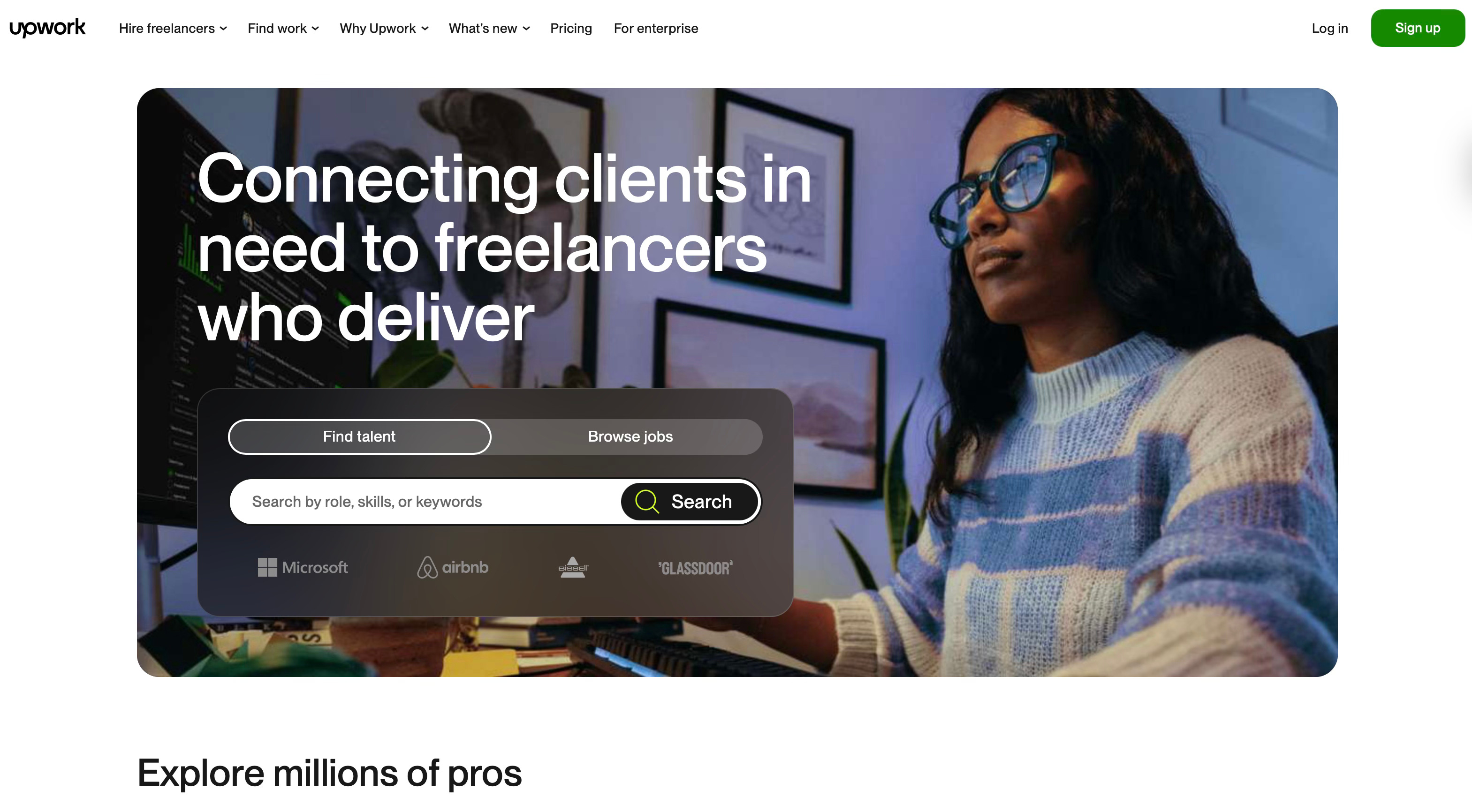
Over the years, I’ve hired dozens of freelancers—some incredible and others I wish I could erase from memory. Through it all, I learned valuable lessons about what to look for (green flags and red flags) and how to assess candidates to increase my chances of making a quality hire, which I’m going to share with you.
But First: Outsourcing vs. Offshoring
Before you even post your first job, you have to decide where to hire. While many people use “outsourcing” and “offshoring” interchangeably, they’re not the same.
Outsourcing means contracting someone outside your company to complete a specific task, regardless of location, but often domestic. Offshoring means moving operations to another country, usually to cut costs.
If you outsource domestically, you’ll usually pay more, but some benefits include easier communication, more aligned time zones, and more legal protection. Offshoring, on the other hand, can be way more cost-effective, but you’ll deal with time zone differences and occasional language barriers.
Personally, I’ve done both, but the majority of my freelance hires have been offshore.
Three Tips for Hiring a Quality Freelancer
1. Don’t trust reviews.
A five-star profile doesn’t guarantee five-star work. Some freelancers pressure clients for perfect reviews, and many people oblige just to avoid back-and-forth messages. Take reviews as a clue, not a conclusion.
2. Verify their portfolio.
Freelancers sometimes include work they didn’t do. True story, I once came across a developer whose portfolio included one of my apps. I had never worked with them. Therefore, particularly for large and high-cost projects, I suggest reaching out to a “past client” in their portfolio to inquire about their experience working with the freelancer. This is something I have done on multiple occasions, and more than once have received a reply to the effect of, “I have no idea who that is.” Safe to say that response has saved me both time and money.
3. Always pay in milestones.
Never pay the full amount upfront. Break your project into milestones. Pay a portion upfront, hold the remainder in escrow, and release funds only after each agreed-upon milestone is completed. And before you send the final payment, make sure you’ve received everything—code, files, editable versions, the whole package. You paid for it! You own it. It’s yours.
Hiring as a solopreneur or leader of a small team is a balancing act. You’re managing risk, budget, your sanity, and everything in between. But once you learn to spot the red and green flags and hire accordingly, the right freelancers can become your secret weapon.
Happy hiring.
-Sheena
🎙️ This Week on Rich Lessons #37: Former NBA Star, Tyrus Thomas
Former NBA forward Tyrus Thomas joins Rich Lessons for a conversation on NIL, the business of youth sports, and the emotional reality of life after the NBA. He shares how he went from having the lights cut off at home to becoming a top-five draft pick, why today’s NIL era often confuses value with entitlement, and what parents should know before spending thousands on travel teams. Tyrus also opens up about mental health, identity beyond the game, and how his work with the National Collegiate Recruitment Agency and Athlete Operating System helps the next generation win on and off the court.

🔑 Episode Highlights:
How circumstances pushed Tyrus to leave LSU early and enter the NBA Draft.
The problems and hidden costs of youth sports, from $3,000 weekend tournaments to parents chasing false “exposure.”
Adjusting from South Baton Rouge to the NBA and the mental health challenges that followed sudden wealth.
Why Tyrus believes real success comes from purpose, mentorship, and self-awareness, not fame or money.
🎧 Listen + Subscribe.
Catch the episode on your favorite platform: Apple Podcasts | Spotify | YouTube
New episodes drop every Tuesday. Don’t forget to subscribe, rate, and share!
GRITS News: Weekly Roundup
GRITS Paid Membership = Early Access + Exclusive Perks
Joining the GRITS community is free, but becoming a paid member unlocks a whole new level of access and perks you don’t want to miss.
Some of our favorites:
✅ Priority access to GRITS-exclusive events
✅ Discounts on GRITS Shop merch. (New items coming soon.)
✅ Member-only resources, tools, and content
✅ Early access to cohort and webinar seats from our venture, Startup Stayup Scaleup
We are focused on finishing 2025 strong and setting the pace for 2026. We’re already laying the groundwork for an even bigger year ahead. From fresh events to new offerings and opportunities, exciting announcements are on the horizon, and our paid members will always be the first to access them.
Not a member yet, or ready to upgrade? Don’t wait. Join the GRITS community todayand unlock the perks and what’s next.